Height first, because it cannot be corrected later
Put the bottom edge at about the eye level of someone sitting down. Everything else in the installation follows from that line, and a screen fixed too high is a permanent discomfort that no setting corrects.
Level second, and check it twice
A screen that is a degree off is invisible until something horizontal appears in the image, and then it is impossible to unsee. Check the top edge, not the casing — on a roller screen they are not always parallel.
Flatness third
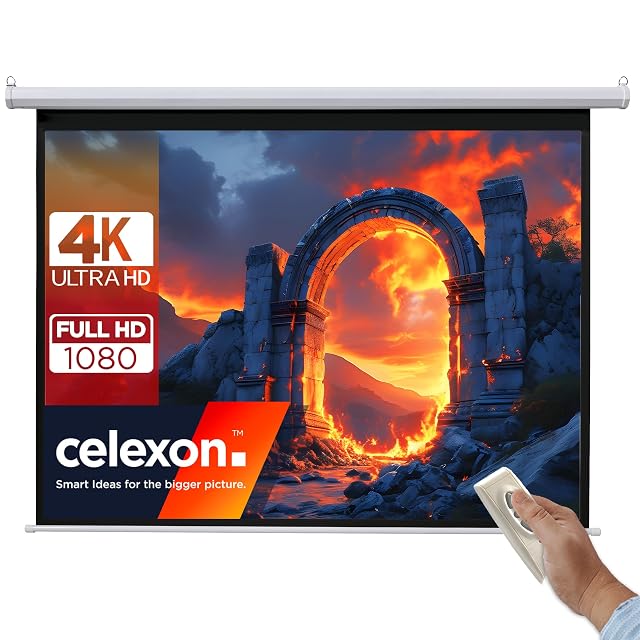
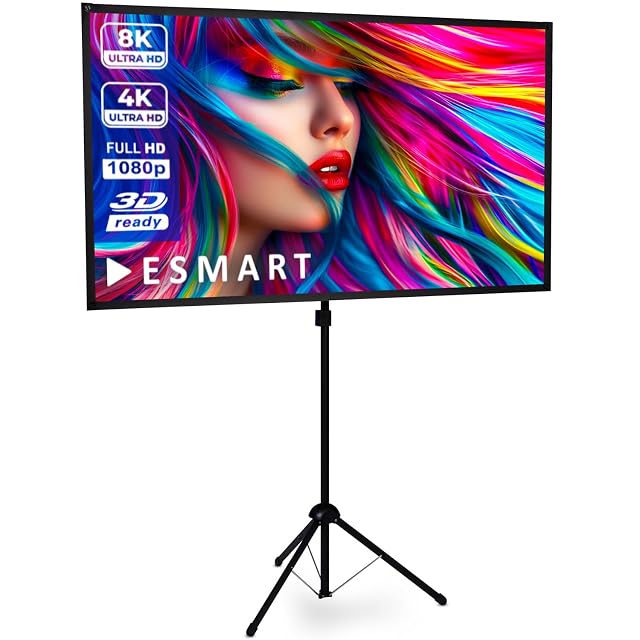
Fixed frame: tension the fabric evenly, working around the frame rather than side to side, the way a wheel is trued. Motorised or pull-down: extend it fully and leave it for a week. Then look again. Tripod: expect the least flatness of the three, and place the projector so its light arrives as square as possible — a grazing angle turns a small ripple into a visible band.
The border is not decoration
A black velvet border absorbs the overspill at the edge of the image. It is the cheapest thing on this shelf that visibly sharpens a picture, and it also hides a centimetre of misalignment.
Where this page stops
Anything that goes into a wall or a ceiling depends on what is behind the plaster, and that is a question for the maker’s instructions and the fixings appropriate to that material. This page does not tell you how to drill it.
Questions people actually ask
How high should the screen be?
The bottom edge at roughly seated eye level, which usually puts the centre of the image slightly above it. A screen mounted high enough to need chin-up viewing is the most common installation error, and it is uncomfortable within an hour.
My new pull-down screen has waves. Is it faulty?
Usually not. Fabric that has been rolled keeps the memory of it. Leave it fully extended for a week before judging: most of the waves fall out. The ones that remain, particularly near the sides, are inherent to hanging fabric and are the reason fixed-frame screens exist.
Last reviewed 4 September 2026