The measurement, in order
- Decide the image width you want, on the actual wall. Mark it with tape.
- Read the projector’s throw ratio — it is a number or a range, such as 1.2–1.6:1.
- Multiply. Throw ratio × image width = the distance from the lens to the screen. A 1.5 ratio and a 2.4 m image needs 3.6 m.
- Check that distance against the room. If it lands behind the sofa, behind a wall, or in a doorway, that projector is out.
The second measurement nobody takes
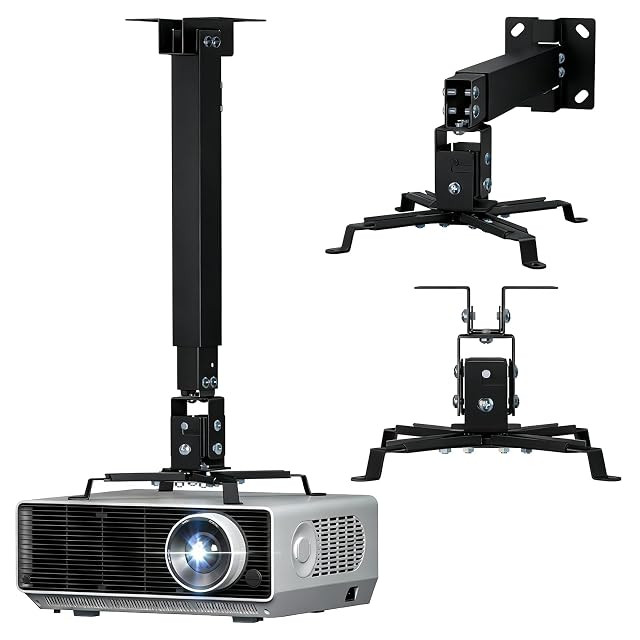
Vertical offset. A projector does not throw its image straight ahead: most home cinema models place it entirely above or below the lens axis. Ceiling-mounted upside down, that puts the image where you want it. On a shelf behind the seating, the same machine may throw the image onto the ceiling.
What lens shift buys you
Optical lens shift moves the image without distorting it, because it moves the lens rather than resampling the picture. A machine with real vertical shift can sit on a shelf and still land on the screen. This is the specification that most often decides whether a projector is usable in a room that was not designed for one.
The order to decide in
Room, then image size, then machine. Choosing the machine first means measuring afterwards to find out whether it fits, which is the wrong way round and the most common way this goes wrong.
Questions people actually ask
Can keystone correction fix a bad position?
It can square the shape and it costs image quality to do it: digital keystone throws away pixels and softens the result. It is a rescue for a few degrees, not a substitute for a metre of distance.
What is vertical offset?
How far above or below the lens axis the image lands, stated as a percentage of image height. A projector with a 100 % offset placed at ceiling height puts the whole image below the lens, which is exactly what you want when it is mounted overhead — and exactly wrong on a coffee table.
Last reviewed 4 September 2026