Skip to content

Better television sound for very little

Television sound is the weakest part of almost every system, and it is also the cheapest to improve. Before a soundbar there are settings that cost nothing, and after them there are three small purchases that solve specific problems — headphones for late viewing, a converter for an older amplifier, a transmitter for wireless listening.

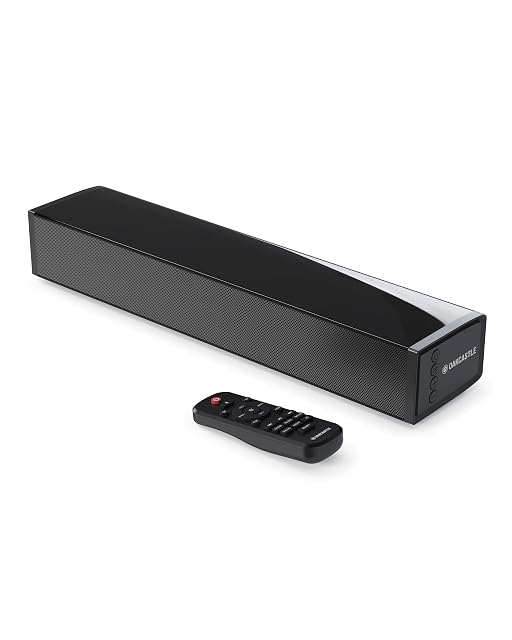
The cheapest real bar

The Oakcastle SB40 is a 2.0 bar with HDMI ARC — no centre channel, so it will not transform dialogue, but it moves the sound out of a cabinet and forward, which is most of the problem.

For watching late without waking the house

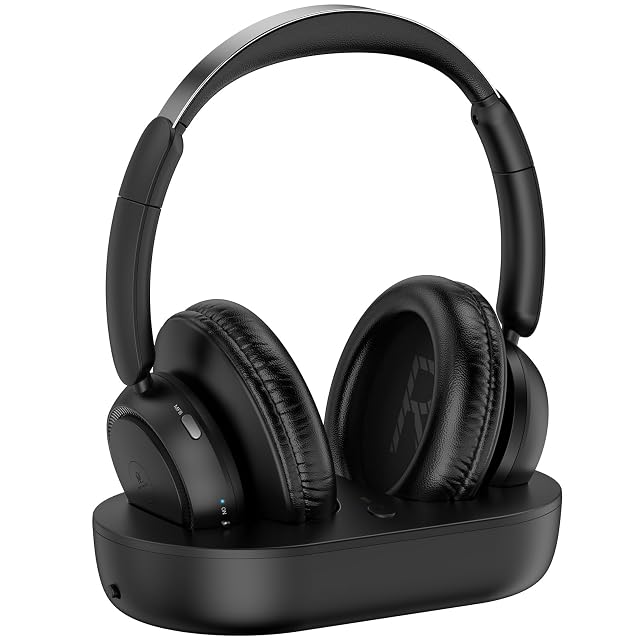
The LETSACTIV wireless headphones. The specification that decides whether they are usable is latency: lips and voices separate visibly above roughly 40 ms, and a base station using dedicated radio is typically well under that where ordinary Bluetooth is not.

For an amplifier older than the television

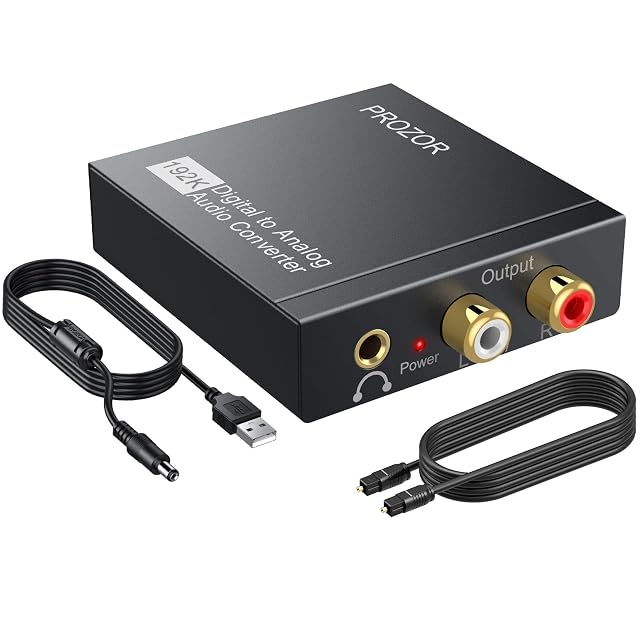
The PROZOR converter takes optical or coaxial in and gives analogue out. Check the supported sample rates and set the television to PCM.

For wireless headphones you already own

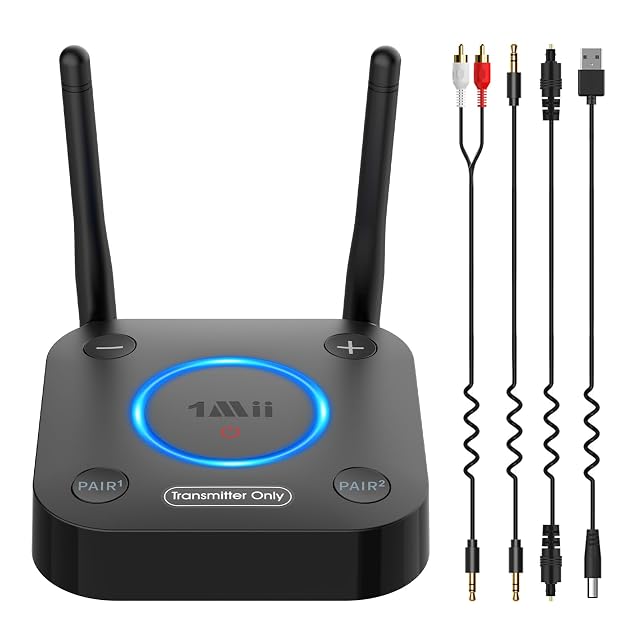
The 1Mii transmitter, and the codec is the whole specification: aptX Low Latency only applies if both ends support it. A low-latency transmitter with ordinary headphones gives ordinary latency, and that is the most common wasted purchase on this shelf.

What to do first, before any of them

The settings. They cost nothing, they take five minutes, and on a lot of systems they are the whole answer.

What we recommend, and why

  1. LETSACTIV Wireless TV headphones for seniors, Bluetooth 5.2, low latency

    Bluetooth 5.2 · low latency stated · designed for seniors · private listening

    Television headphones aimed explicitly at older viewers, where the design priorities are volume, comfort and simplicity rather than specification.

    Best for: A household where one person needs the television louder than everyone else — which is what this category exists for.

    ≈ 56 €

  2. PROZOR DAC01s converter, optical and coaxial to RCA and 3.5 mm

    192 kHz, 32–192 kHz range, 24-bit · inputs: 1 × Toslink, 1 × coaxial RCA · outputs: 2 × RCA and 1 × 3.5 mm · uncompressed 2-channel LPCM or PCM only, 5.1 explicitly not compatible · not reversible · USB powered, plug not included

    The one listing on this shelf that says what it cannot do — 5.1 is not compatible, set the source to PCM — which is precisely the failure everyone meets.

    Best for: Anyone who has already had a converter go silent and wants to know why before buying another.

    ≈ $14 / £12 / 14 €

  3. 1Mii B06TX Bluetooth transmitter for TV

    inputs: 3.5 mm AUX, RCA, optical and coaxial · aptX HD and aptX Low Latency · dual link, two headphones at once · Bluetooth 5.3 with dual-antenna design · status indicators

    The only transmitter here with four different inputs — it will connect to almost any television, projector or computer without an adapter.

    Best for: A household with mixed equipment, where the transmitter has to fit whatever socket exists.

    ≈ $37 / 38 €

Questions people actually ask

What are the free settings?

Night mode or dynamic range compression, which narrows the gap between whispers and explosions; the television audio output format, which is silently wrong on a lot of systems; and turning off any virtual surround processing, which can pull energy out of the centre where dialogue lives.

Why would I need an audio converter?

Because televisions removed their analogue outputs and amplifiers kept their analogue inputs. A converter bridges the two — and if it is silent, set the television output to PCM before assuming it is faulty. That single setting accounts for most of the one-star reviews on that shelf.

What is the cheapest real improvement?

A soundbar with a dialogue setting. Dialogue clarity is what most people are actually missing, and it is transformed immediately.

What should I check before buying?

The outputs on your television. Older sets may not have what the soundbar expects, and that decides compatibility.

Do I need a subwoofer?

It adds scale and travels through walls. In a flat with close neighbours it is the component to reconsider.

Are more channels better?

In a small room they do very little. Clarity and placement matter far more than the channel count.

What about music?

A simple stereo pair often beats a soundbar at the same price for music, though it is less convenient for television.

Why did my sound suddenly stop?

Usually a cable rather than the unit. Check connections first; they work loose from small movements over time.

The tool we use ourselves

Chosen your machine? Now buy it at the right price.

Projectors, soundbars and receivers swing by fifty euros or more across the year, and the biggest "discounts" often land at prices the same model sold for six weeks earlier. UniverTrack tracks the real price history across retailers, spots fake reductions, and alerts you when it is genuinely the moment to buy.

Real price historyBuy-now alertsAI buying assistant
Try free for 14 days →
No commitment · Cancel in one click · 5 languages