Dialogue
A soundbar for hearing what people say
The most common complaint about television sound is not that it is quiet but that speech is buried while everything else is loud. That is a channel problem rather than a power problem, and the fix is a bar with a dedicated centre channel — which is a cheaper purchase than the surround systems usually recommended for it.
By Jean-Benoit Buisson
Start with the channel count, not the wattage
A 3.1 bar has a dedicated centre; a 2.1 does not, whatever it costs. That single distinction settles more dialogue complaints than any amount of power.
The three bars
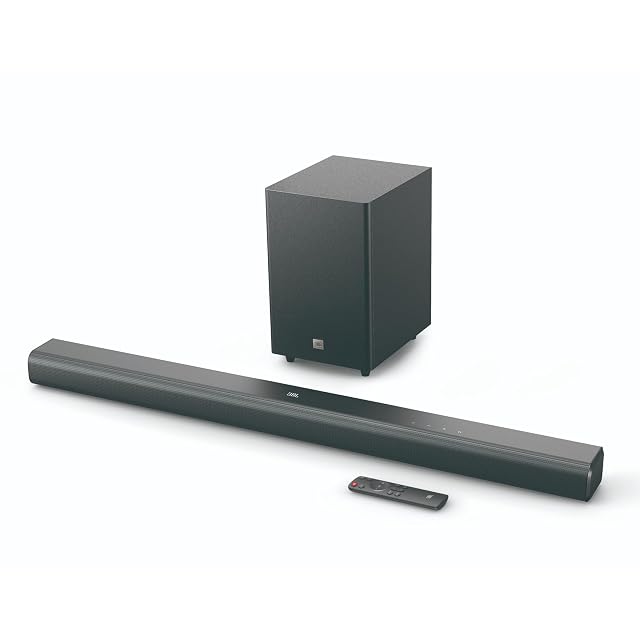
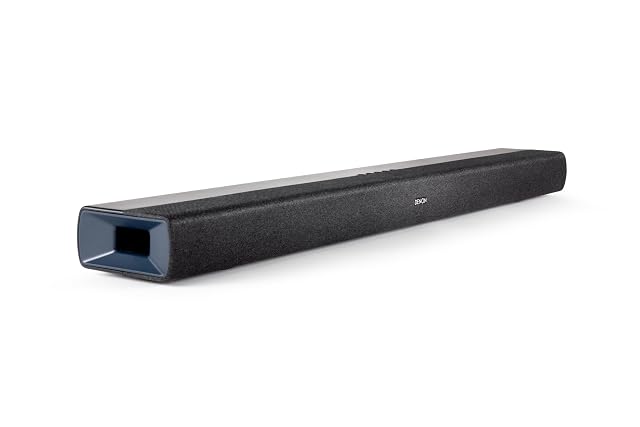
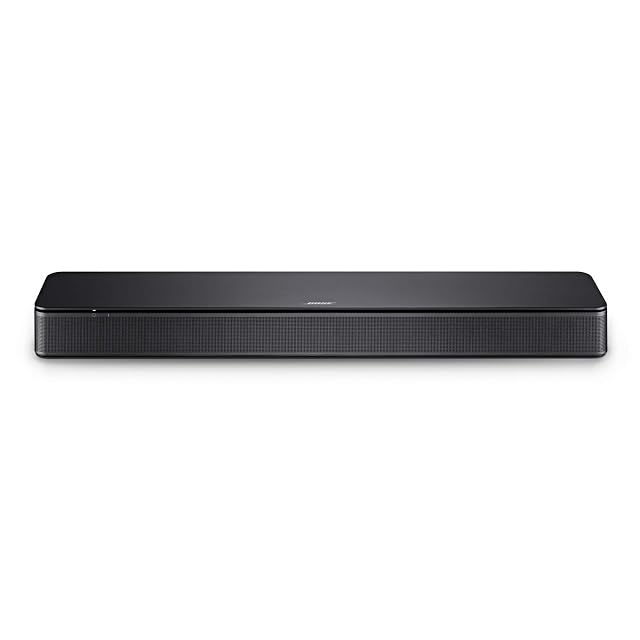
The JBL Cinema SB 550 is 3.1 with the subwoofer built in — one box, one cable, the centre channel present. The Denon DHT-S218 is a 2.1 with a strong dialogue mode, and it decodes Atmos. The Bose TV Speaker is the compact answer for a small room, sold on how it behaves rather than on published driver counts, which this site reports as such.
If there is already a receiver
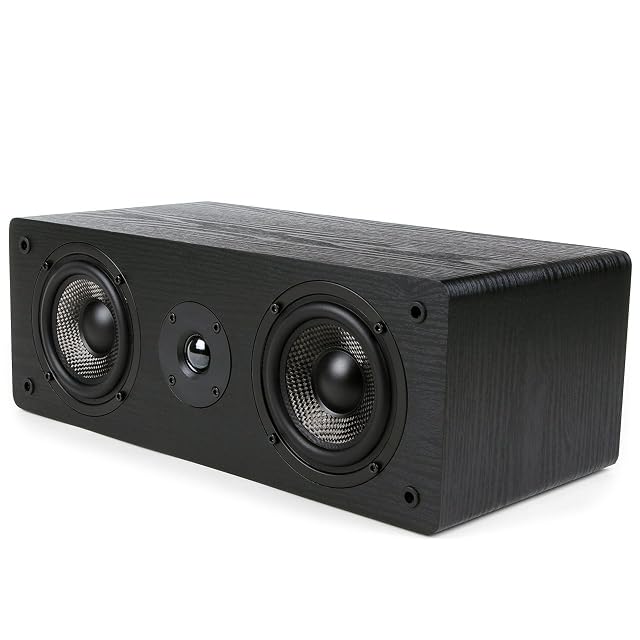
Then the answer is not a bar at all but a centre speaker, and the Micca MB42-C is the accessible version. Buy it from the same range as the front pair where you can: matching matters more than size in this position.
The settings that come free
Night mode, television audio output set correctly, and the bar below the screen. Dialogue arriving from above a face on screen is the one placement error good equipment cannot hide.
What does not help
More power. A louder system reproduces the same mix more loudly, including the parts that were already too loud. The problem is the range and the channel, not the volume.
Questions people actually ask
Why does a centre channel help so much?
Most of a film's dialogue is mixed to it. A stereo pair reproduces the centre as a phantom image between the speakers, which works properly only from the middle seat; a physical centre speaker anchors voices to the screen for everyone.
What about the settings?
Turn on night mode or dynamic range compression, check that the television is not sending stereo to a surround bar, and put the bar below the screen rather than above it. All three are free and all three help.
Why can't I hear dialogue?
Usually wide dynamic range in the mix, made worse by placement and room acoustics. A dialogue mode addresses the balance directly.
Does a dialogue mode actually work?
It genuinely changes the balance, and most people notice it at once. It is one of the few settings that does what it claims.
Does a centre channel matter?
Most dialogue sits in the centre, so a bar with a real centre channel generally handles speech better.
Should I turn the volume up?
It makes effects painful without making speech clearer. Changing the balance is what helps, not raising everything.
Can the room be the problem?
Very much. Hard floors and bare walls smear speech, and rugs and curtains often help more than more equipment.
Why has it got worse recently?
Often something in front of the bar, a changed setting, or a source now sending a different audio format. All are free to check.