Screens
Which screen, and why the mechanism decides first
Screens are chosen in the wrong order more often than any other product here: people pick a size and a price, then discover the mechanism does not suit the room or the projector. The mechanism comes first, the fabric second, the size third — and an ultra short throw projector removes most of the choice by itself.
By Jean-Benoit Buisson
Fixed frame, if the wall can be given over to it
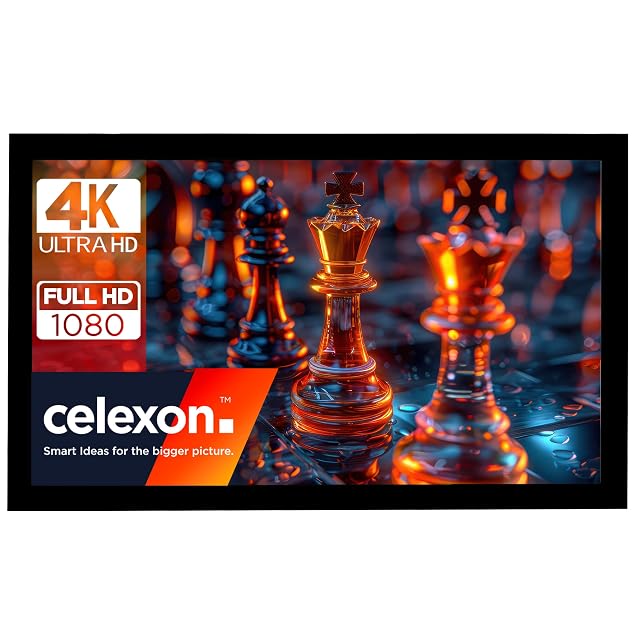
A tensioned fabric on a rigid frame is the only projector surface with no waves in it, and flatness is worth more to an image than most of what is printed on a projector box. The wide black border absorbs the overspill at the edge and visibly sharpens the picture.
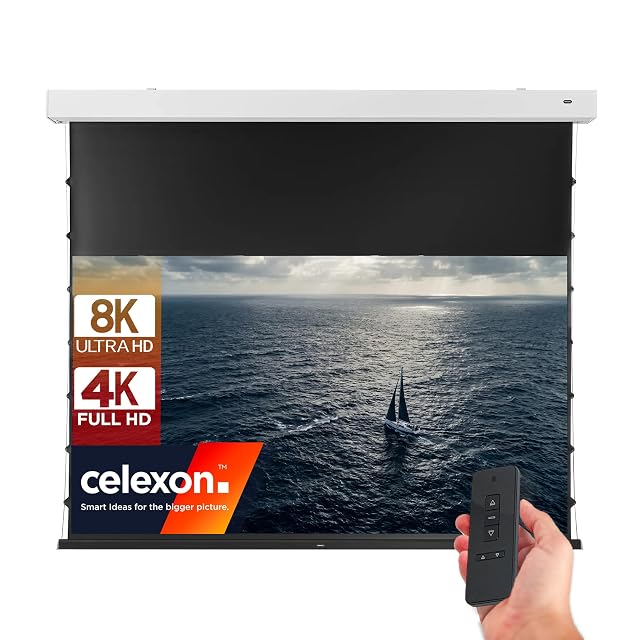
Motorised, if the room has another life
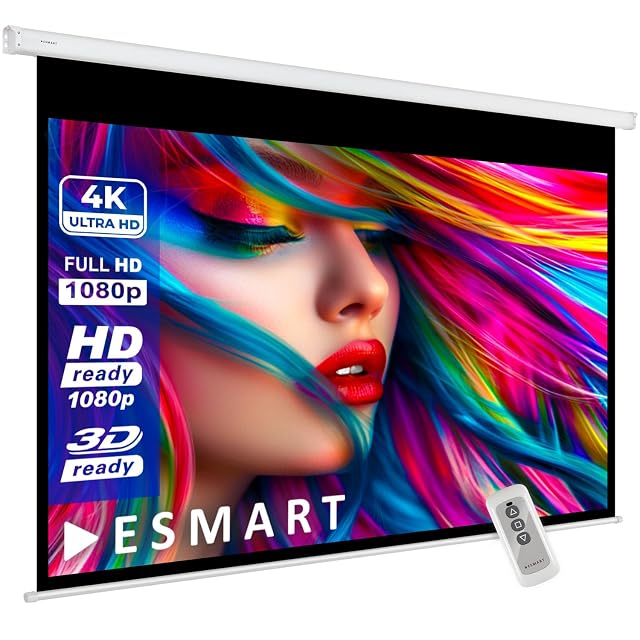
It gives the wall back when the film ends. The feature that makes one feel finished is not the motor but the 12 V trigger: the projector powers up, the screen comes down, and nobody looks for a second remote.
Pull-down, for the same reason at a lower price
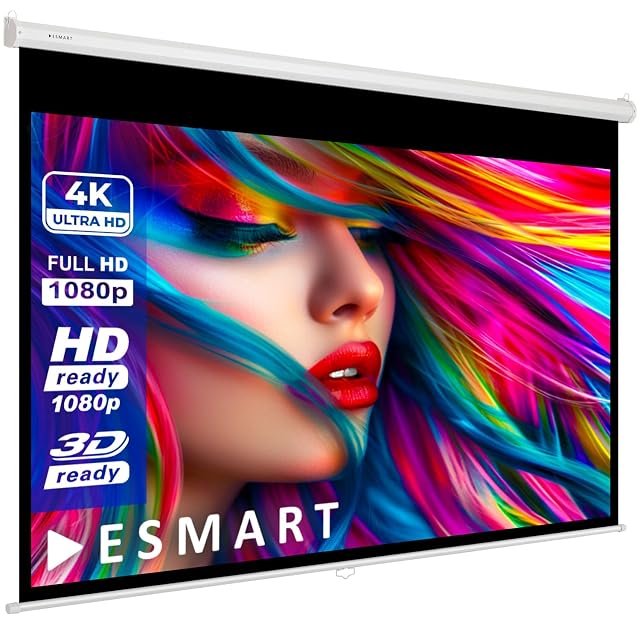
A spring roller and a lock, with nothing to fail. Look for a slow-retract mechanism — it lowers the fabric back into the case instead of snapping it up, and it is the difference between a screen that lasts a decade and one that creases.
Tripod, if it travels
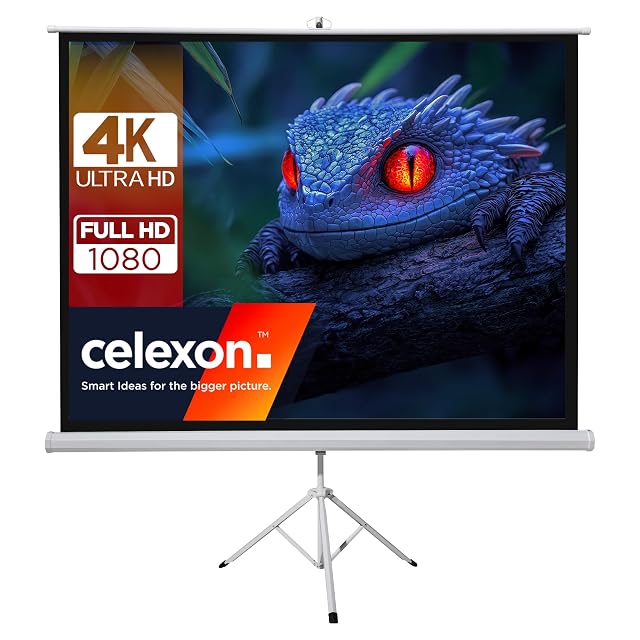
Judged on packed weight and how high it raises the surface. Most include a keystone bar at the top that tilts the fabric backwards, compensating a low projector mechanically rather than digitally.
ALR, only if the room has light you cannot remove
An optical structure rather than a fabric colour, and it must match the direction your projector sits in. In a dark room it buys nothing and costs viewing angle.
Questions people actually ask
Will a pull-down screen ever be perfectly flat?
Not quite. Fabric that has been rolled keeps some memory of it, most visibly near the sides. Leave a new one down for a week before judging — most of the waves fall out — and consider a tab-tensioned model if the room means a roller screen.
What gain should I choose?
Around 1.0 for a dark room with seating spread across a sofa. Higher gain concentrates light toward the centre axis, which brightens the middle seat and dims the outer ones, and can produce a visibly brighter patch in the middle of the image.
Is a white wall good enough?
Often surprisingly good, and it costs nothing to try. Doing so tells you whether a screen is worth buying at all.
What matters most in a screen?
Flatness. Waves and creases distort the image constantly, and it is the property cheap roll-up screens fail at.
Is higher gain better?
It is a trade. Higher gain looks brighter head-on and worse from the sides, which matters in a room where people sit wide.
Do I need ambient light rejection?
In a bright room it does genuine work. In a darkened room it does very little for the money.
Fixed or retractable?
Fixed is flatter and permanent; retractable keeps a shared room usable. It is more a lifestyle choice than a quality one.
How do I choose the size?
From the throw distance your projector needs. The screen must be fillable from where the projector can actually sit.