Surround
Building a surround system, one speaker at a time
A surround system is the one purchase here that can be made in pieces, and doing so is usually better than buying a package. This guide is the order the channels earn their place, with the trap that catches most first-time buyers: a speaker package and a system are not the same product.
By Jean-Benoit Buisson
1. The receiver, because everything plugs into it
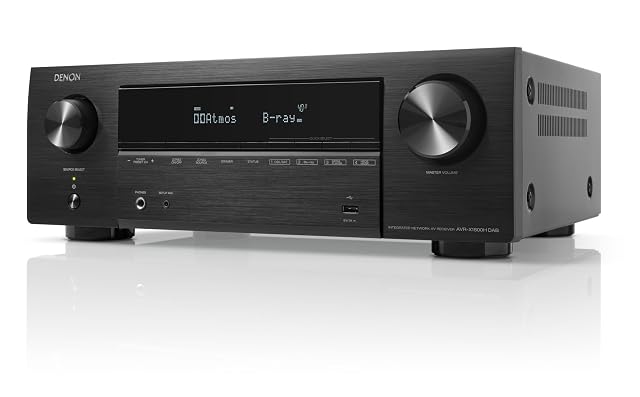
The Denon AVR-X1800H states its power with the conditions it was measured under, which is what makes it comparable to anything else. Count the HDMI inputs you need and add one — running out is why people replace a receiver that still sounds fine.
2. The centre, because dialogue lives there
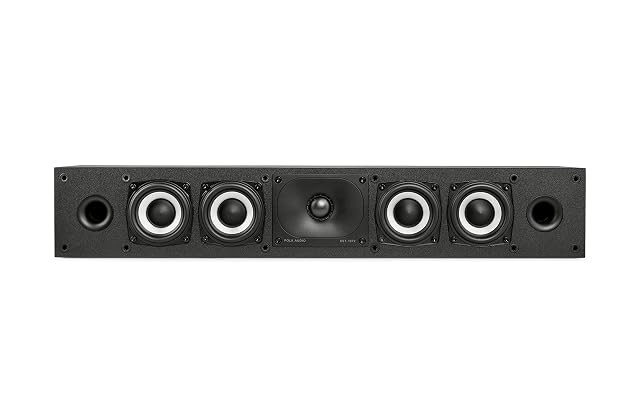
The Polk Audio ES35 comes from a range that also has floorstanders and height modules, which is the point: a system built inside one range can grow.
3. The front pair
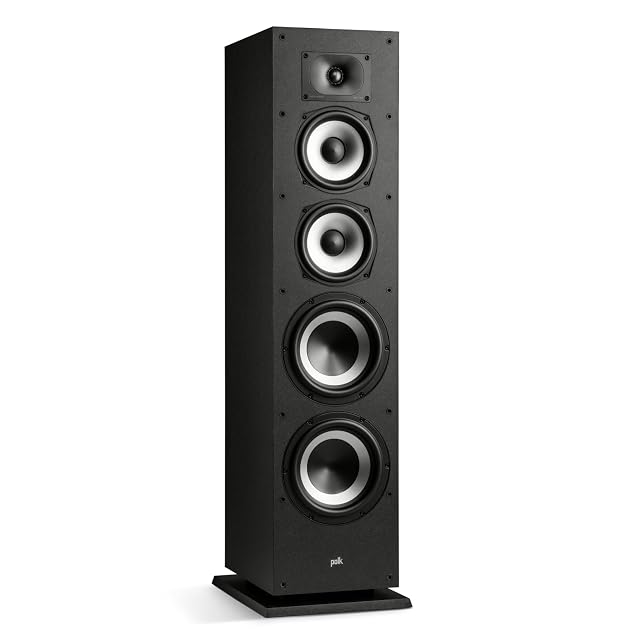
Polk’s XT70 floorstanders share drivers and crossover design with the centre, so the front three behave as one. Read the port: a rear-firing design needs distance from the wall, and that decides more in a real living room than most specifications.
4. The surrounds
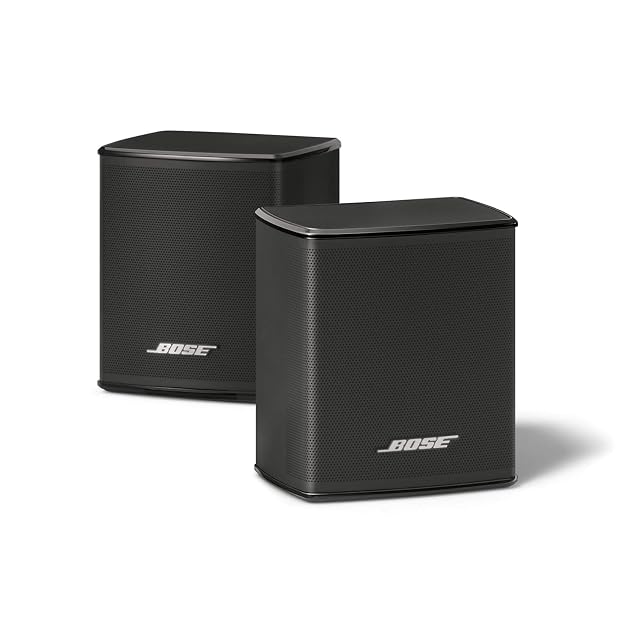
The Bose Surround Speakers go slightly behind and above the seating. Placement beats size in this position, and a modest pair in the right place beats a good pair on the front wall.
5. The subwoofer
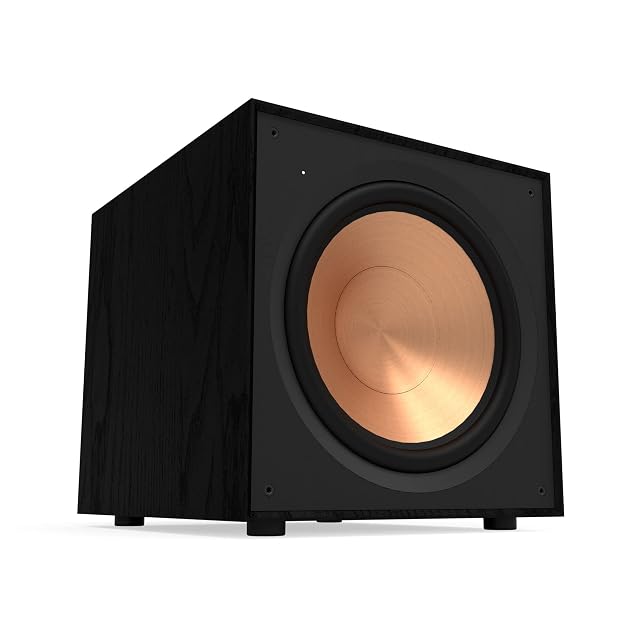
The Klipsch R-121SW, positioned before it is upgraded. Moving it a metre changes its output at your seat more than a better model would.
What to do after the last box
Run the receiver’s room correction properly — microphone at seated ear height, at the actual seat, room quiet. It sets distances, levels and crossovers in one pass, and those three are what an untuned system gets most wrong.
Questions people actually ask
Does a "5.1 package" include an amplifier?
Usually not. Most are passive speakers only, and the receiver is the missing half — and the more expensive half. Comparing a package price to a soundbar price compares half a system to a whole one.
Do the speakers have to match?
The front three should. Timbre matching means a voice moving across the screen stays the same voice, and it is easiest to get right by staying inside one range. Surrounds and heights can differ with less consequence.
What should I buy first?
The front left and right speakers, then the centre. Those three do most of the work in any film system.
How important is the centre speaker?
Most dialogue comes from it, so in a film system it is arguably the most important single speaker you own.
Are surround speakers worth it?
They add atmosphere and the least overall improvement. They are the last thing to buy, not the first.
Does placement really matter?
More than price does, and it is free. A well-placed modest system comfortably beats a badly placed expensive one.
Should I get a subwoofer in a flat?
Think hard about it. Bass travels through structure and reaches neighbours, which makes it a genuine constraint.
Can I build it in stages?
Yes, and it works well if you follow the order: front pair, centre, subwoofer, surrounds. Plan cable routes early.