Skip to content

A streaming box that will not soften the picture

Streaming boxes are nearly identical in hardware and quite different in what they are allowed to play. The specification that decides picture quality is invisible on the box, and the one that decides whether a receiver gets a proper soundtrack is buried in the manual. This guide is those two, plus the dull one that fixes most complaints.

What to check, in order

  1. DRM certification level — the one that decides resolution on the services you actually subscribe to.
  2. HDR formats supported, individually. Dolby Vision and HDR10+ are separately licensed and rarely both present.
  3. Audio passthrough, if there is a receiver.
  4. An ethernet port. Dull, and it fixes more stuttering than anything else.

The three boxes

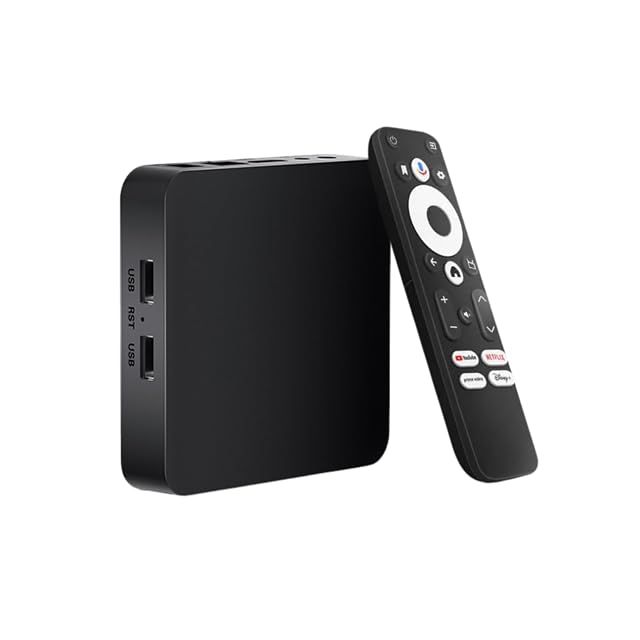
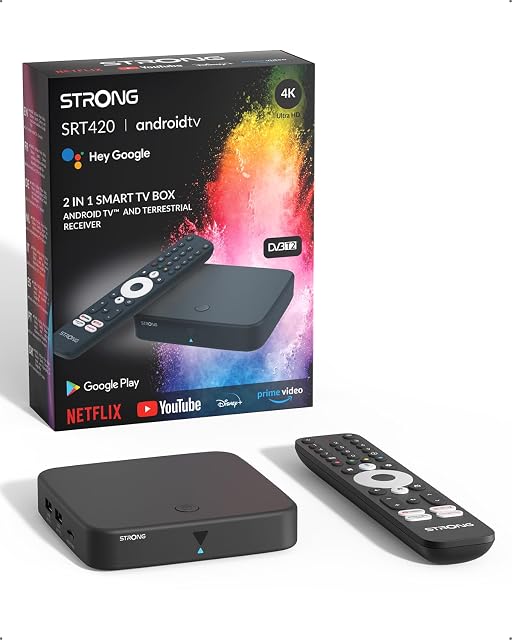
The Google TV Streamer 4K is the reference for licensing breadth and format support. The STRONG SRT420 is the accessible Android TV option with an ethernet port. The Orbsmart is the open Android route, which trades some service licensing for flexibility — and that trade is the thing to research before buying rather than after.

And the cable

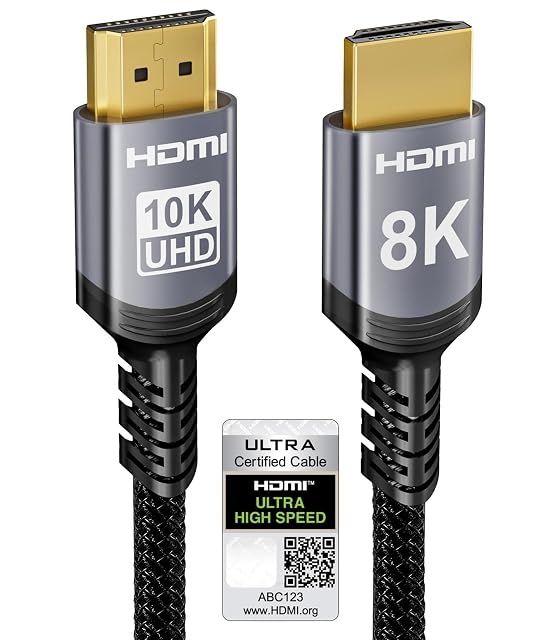
A certified Ultra High Speed cable in a short length. A box capable of 4K at high refresh rates connected by an uncertified five-metre cable will drop out, and it will look like the box.

What none of them fixes

A subscription tier that does not include 4K, or a network that dips below the service’s requirement. Both look like hardware problems and neither is.

What we recommend, and why

  1. Google Google TV Streamer 4K

    4K · Google TV · voice search remote · reference platform for service licensing

    The reference platform for streaming licensing — which is the specification that actually decides picture quality on this shelf, and the one no listing publishes.

    Best for: Any television or projector that needs a modern streaming source with the broadest service support.

    ≈ $169 / 101 €
  2. Sniokco certified 48 Gbit/s HDMI cable, 1.5 m

    1.5 m · officially HDMI 2.1 certified · 48 Gbit/s · dynamic HDR with 12-bit colour depth · eARC · aluminium alloy housing with nickel-plated connectors

    The same 48 Gbit/s certification as everything else here, in the same short length, with a nickel-plated connector instead of a gold one.

    Best for: A short run where the certification matters and the brand does not.

    ≈ £9 / 11 €

Questions people actually ask

Why does the same app look worse on my box than on the television?

Usually DRM certification. A device certified at Widevine L1 can play a service in HD or 4K; one at L3 is capped — often at 540p — with the same processor and the same app. It is a licensing question rather than a performance one.

What is audio passthrough and why does it matter?

It is whether the box sends the raw soundtrack to a receiver rather than decoding it internally. A box that decodes Atmos but cannot pass the bitstream will not feed an AV receiver properly, and the symptom is a system that plays stereo when it should be playing surround.

Do I need a streaming box?

If your projector has no smart features, yes. If its built-in apps are slow, a box usually fixes that completely.

How do I choose one?

By whether the services you actually use work well on it. That is the criterion that matters; the rest is detail.

Where should it go?

Near you if the remote is infrared, since line of sight matters. Near the projector needs power there, which is often overlooked.

How does the sound get out?

That depends on the box and your setup, and it is not obvious in a projector installation. Work it out before buying.

Why does it stutter?

Often overheating rather than the internet. A box in an enclosed space or taped to a bracket runs hot and stutters.

Does it extend the projector's life?

In a practical sense yes: the box gets updated and keeps working with current services long after built-in apps stop being supported.

The tool we use ourselves

Chosen your machine? Now buy it at the right price.

Projectors, soundbars and receivers swing by fifty euros or more across the year, and the biggest "discounts" often land at prices the same model sold for six weeks earlier. UniverTrack tracks the real price history across retailers, spots fake reductions, and alerts you when it is genuinely the moment to buy.

Real price historyBuy-now alertsAI buying assistant
Try free for 14 days →
No commitment · Cancel in one click · 5 languages